InternationalResearch
1 Jul 2026
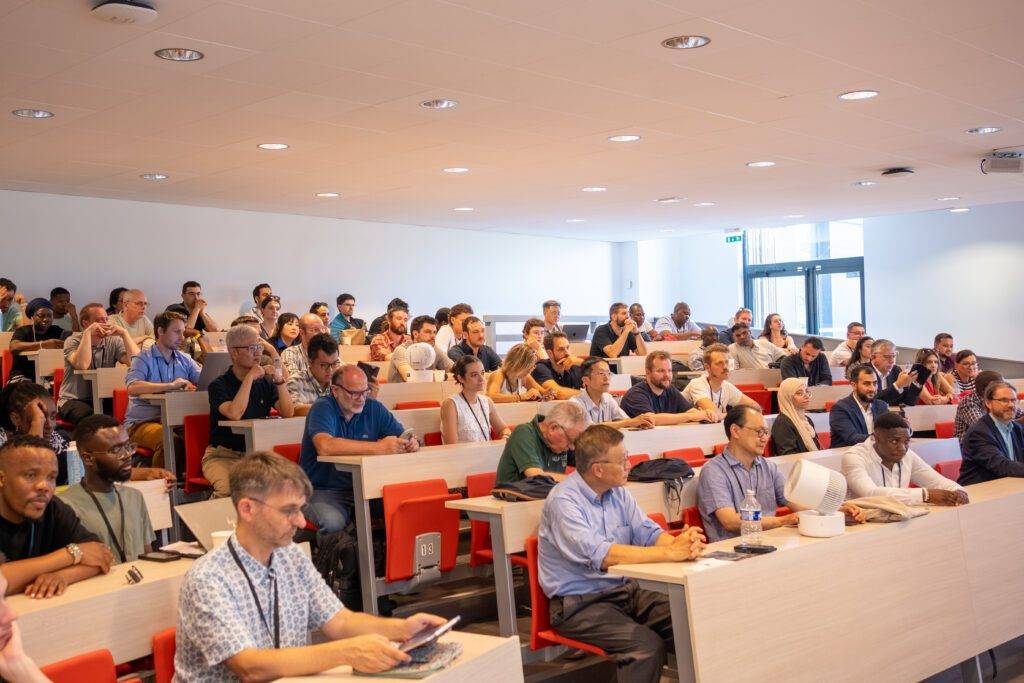
From 21 to 25 June 2026, Icam’s Grand Paris Sud campus buzzed with the energy of the FAIM conference (Flexible Automation and Intelligent Manufacturing), an internationally renowned event recognised for advancing research, theory and practice in automation and manufacturing.
Hosted over the years by universities across Europe, the Americas and Asia, FAIM was held in France for the first time! 🤝 Leading the organisation of this event: Icam’s Grand Paris Sud campus, alongside Université Évry Paris-Saclay, Université Paris-Est Créteil, Evry Sénart Sciences et Innovation, and with the support of the Grand Paris Sud urban area.
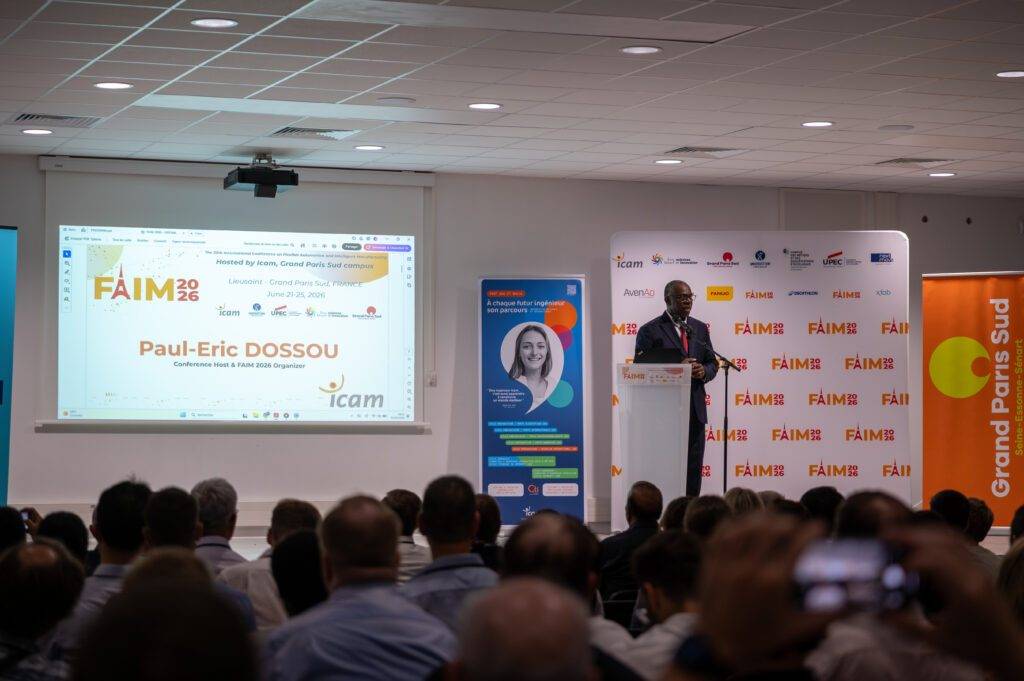
“Icam had been applying for ten years, and our bid was accepted three years ago. These university partnerships and this support were a clear asset, as was the cultural dimension of our application — very much in line with the openness to others and their cultures that lies at the heart of Icam,” says Paul-Éric Dossou, Research Manager and head of the LIFE platform at Icam Grand Paris Sud, and member of the FAIM 2026 coordination team. A great source of pride and a major challenge that required months of preparation.
180 Researchers Gathered at Icam Grand Paris Sud
🌍 This 35th edition brought together 227 participants, including more than 180 researchers from around the world, as well as industry professionals, around the theme: Embracing Industry 5.0 — tools and concepts for the digital transformation of logistics and production companies.
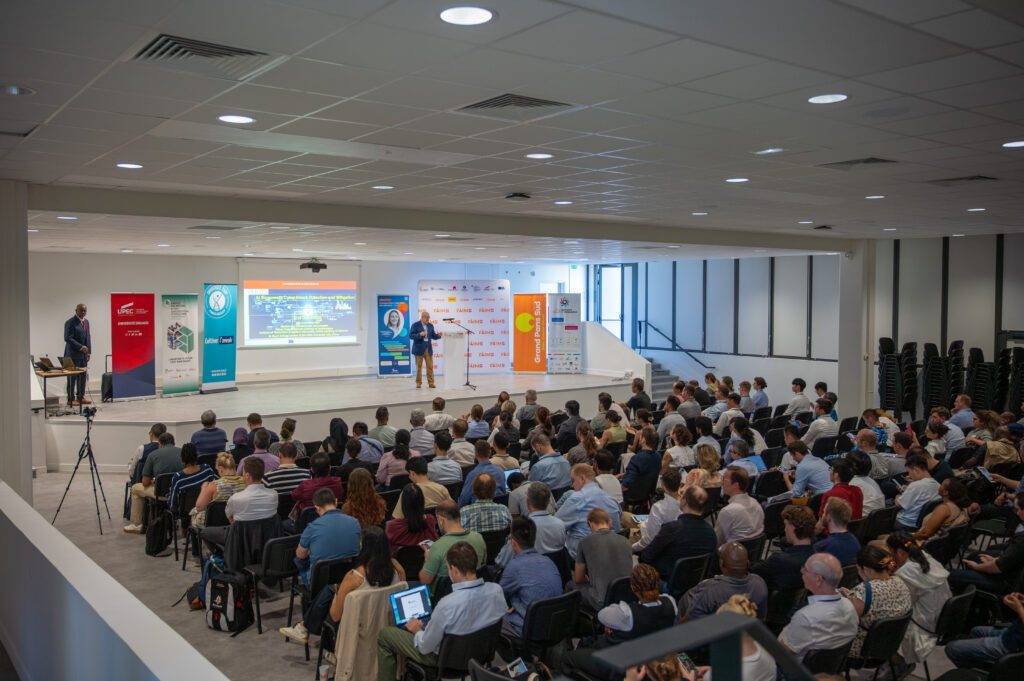
On Monday 22 June, everyone gathered in Lieusaint, at Icam’s Grand Paris Sud campus, for an opening ceremony that welcomed numerous guests:
– Michel Bisson, Deputy Chair of Grand Paris Sud and Mayor of Lieusaint;
– Jean-Yves Didier, Vice-President for Digital Solutions at Université Évry Paris-Saclay, representing Vincent Bouhier, President of Université Évry Paris-Saclay and President of Evry Sénart Sciences et Innovation;
– Professors Munir Ahmad and Frank Chen, Honorary Chairs of FAIM 2026;
– Christophe Pennel, Director of the Icam Grand Paris Sud campus;
– Étienne Petit, Deputy Prefect for special projects to the Prefect of Seine-et-Marne.
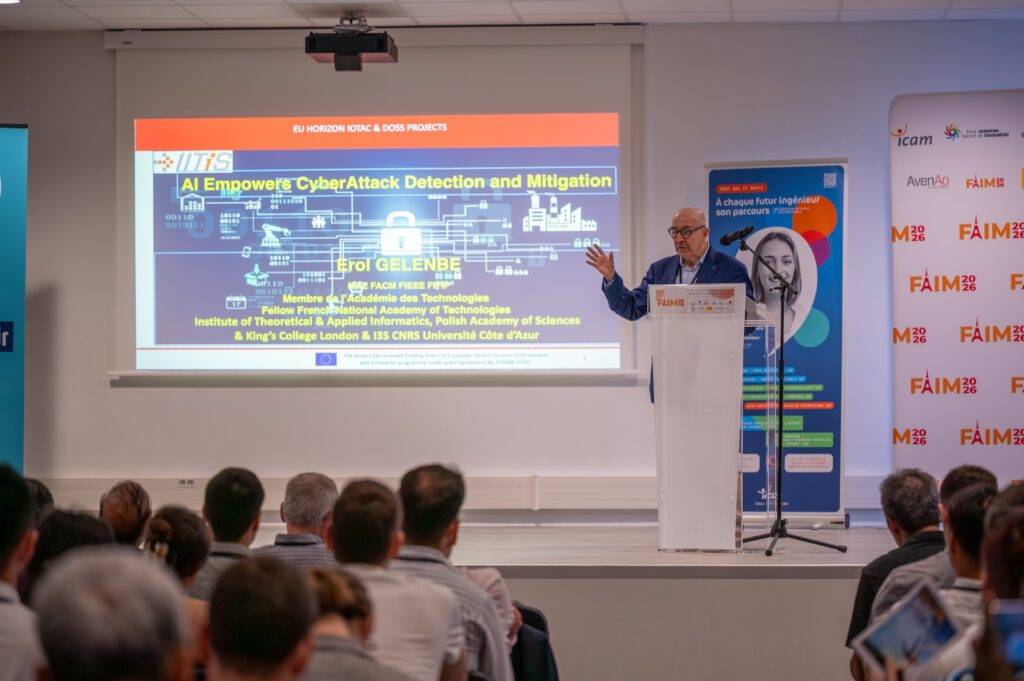
FAIM 2026 also had the honour of welcoming four distinguished keynote speakers who shared their perspectives on the current and future challenges of Industry 5.0: Erol Gelenbe, Hervé Panetto, Stéphane Galland and Nosing Doeuk.
204 High-Quality Research Papers
🤖 For each edition, the FAIM conference selects high-quality research papers from leading researchers in automation and manufacturing, following a rigorous peer-review process.
“For this 35th edition, 317 researchers worldwide submitted papers. We reviewed and evaluated 274 papers, and 204 were presented by researchers from 28 countries across a range of topics: robotics, artificial intelligence, machine cybersecurity, virtual and augmented reality, organisational methods and human sciences applied to work, among others. In total, 56 talks were held across eight thematic sessions over three days, chaired by 43 session leads,” explains Paul-Éric Dossou.
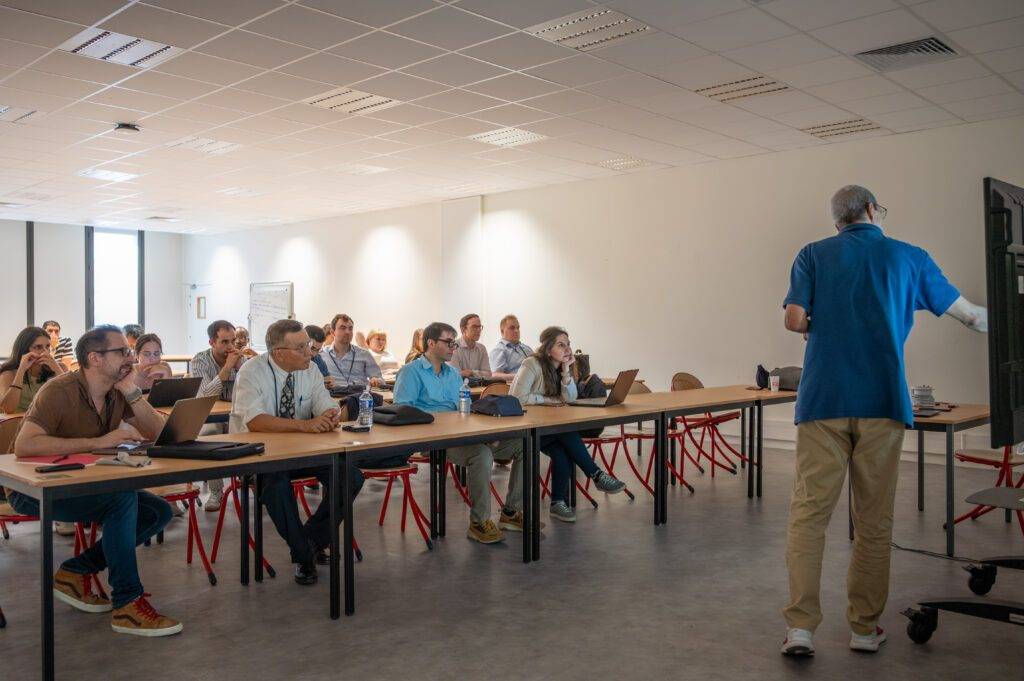
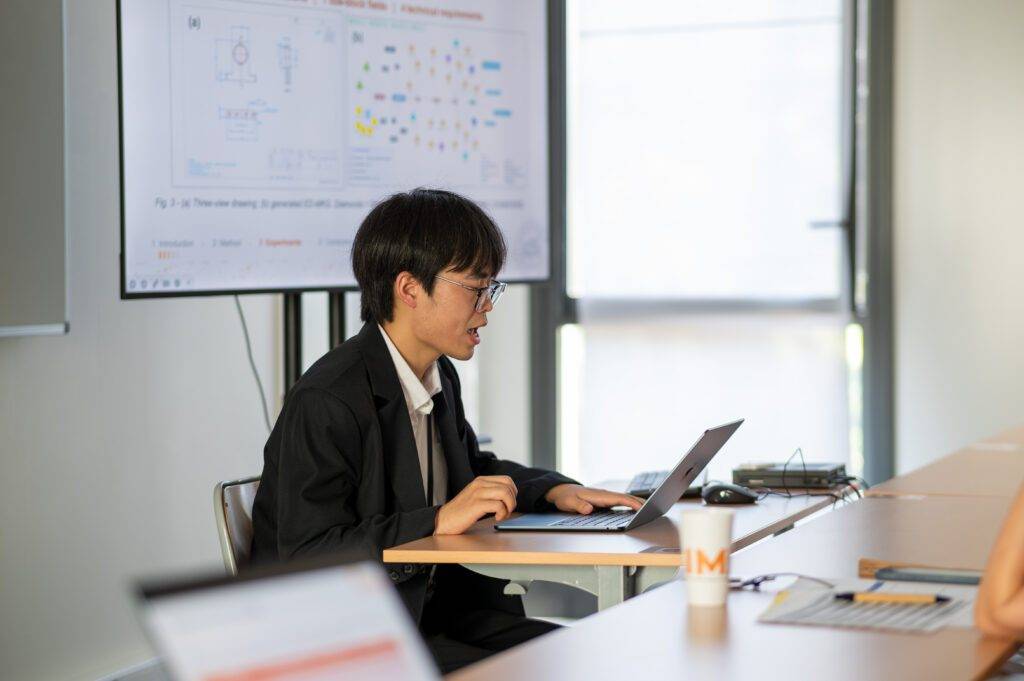
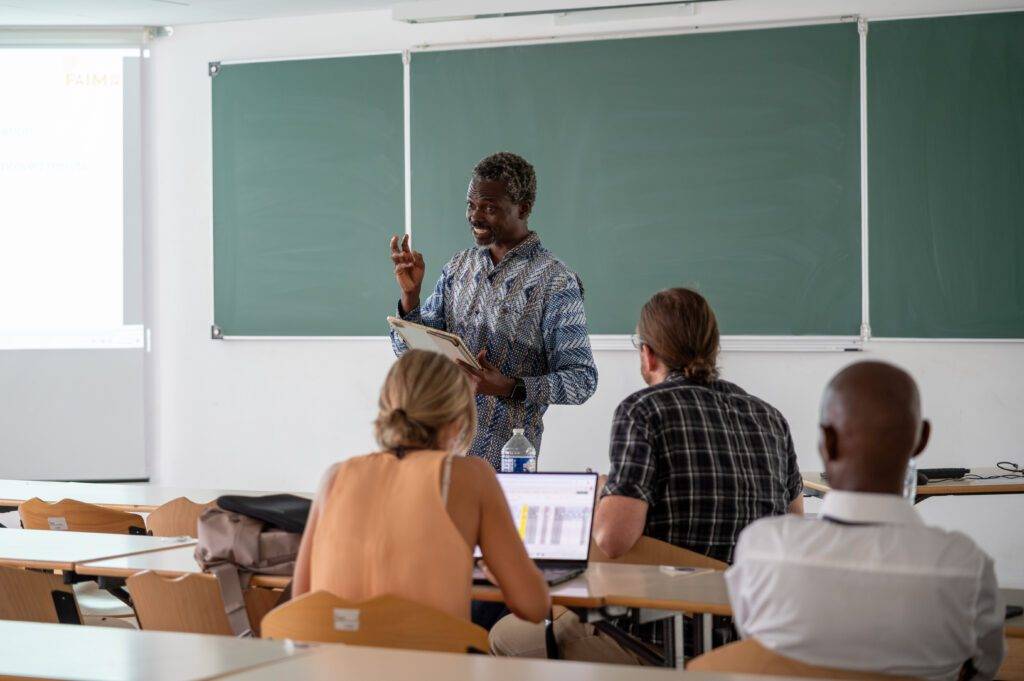
The scientific rigour was on full display: more than 600 paper reviews were carried out, and 64 papers competed for publication in high-impact international journals. In the end, three papers were selected by the journal RCIM and 15 by IJAMT.
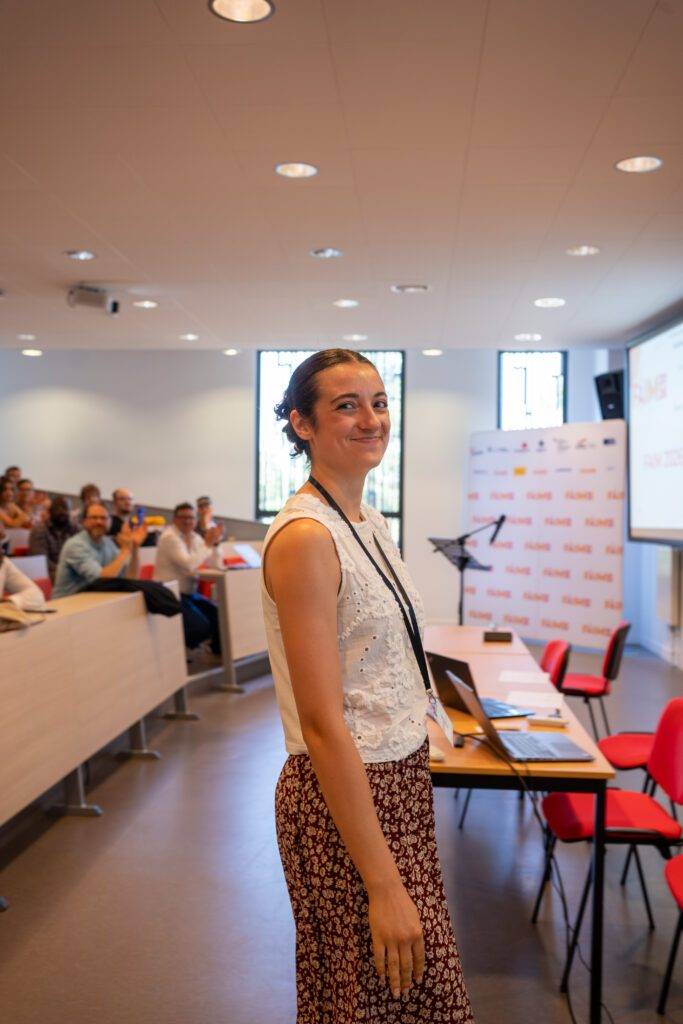
🥇 The Best Paper Award went to researcher Martina Salami and her co-authors, Pietro Bilancia and Marcello Pellicciari, for their work on robotic palletising: an integrated simulation framework, developed in Python on the RoboDK platform, guiding engineers from defining an optimal load plan through to generating validated robot code, within a digital twin approach.
Company Visits, Cultural Outings, a Student Challenge, and More: Discovery and Exchange on the Programme
Throughout the week, highlights followed one another:
– a welcome reception on Sunday 21 June, a dinner bringing together 105 people — a first that was warmly received by all;
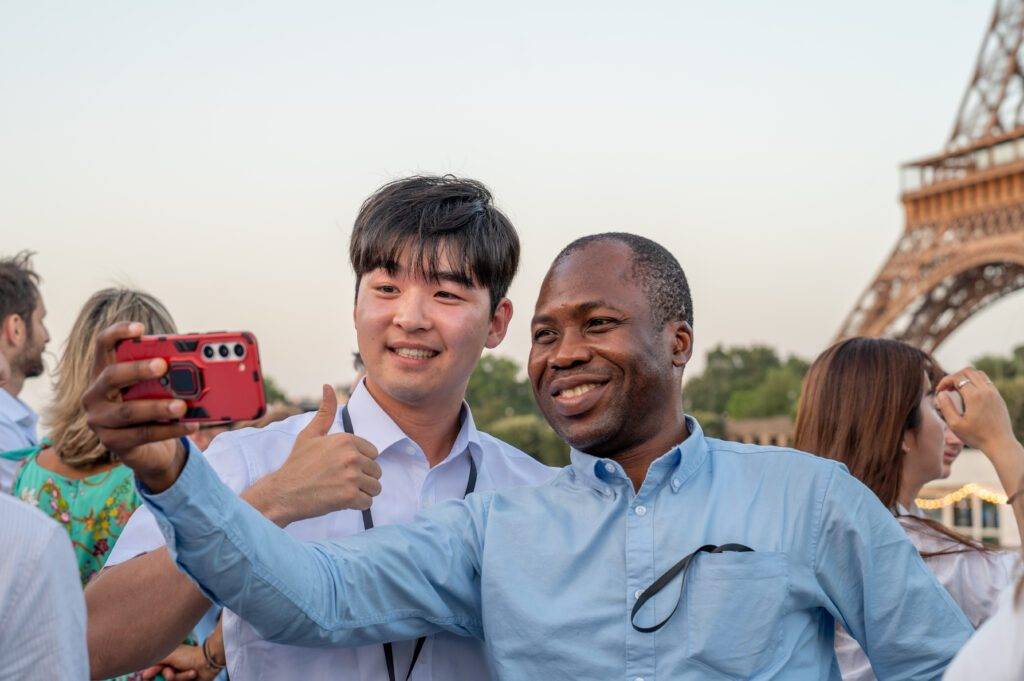
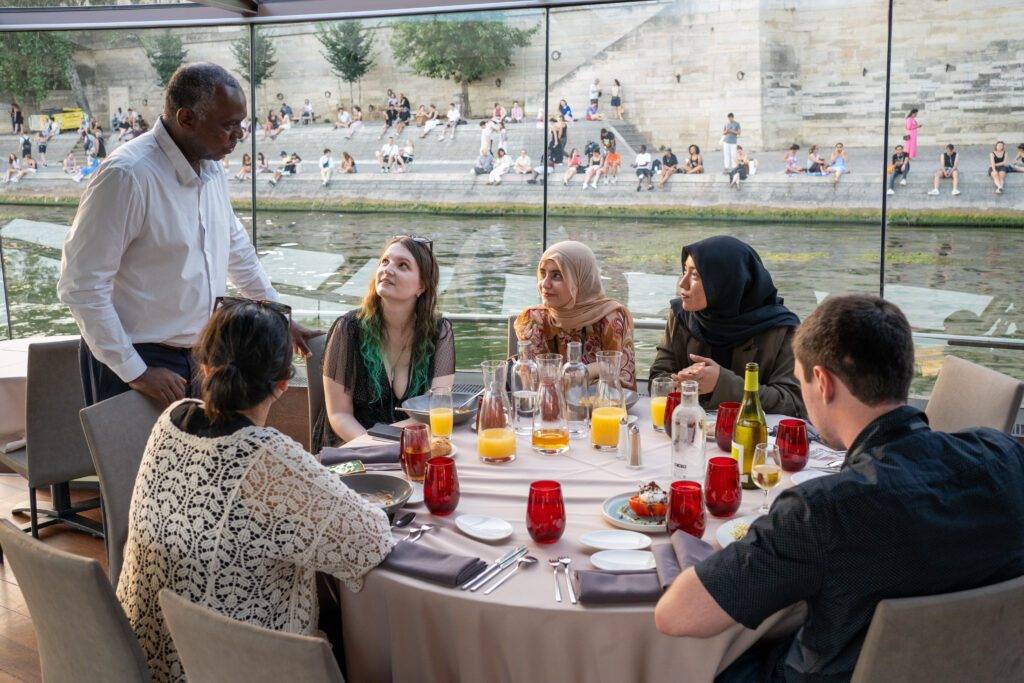
– an exceptional gala dinner aboard a Seine river cruise to discover Paris;
– a cultural visit to Notre-Dame de Paris with a guide;
– visits to innovative companies on Thursday 25 June: X-FAB, Decathlon Logistics and Safran Reosc;
– special sessions run in collaboration with sponsors FANUC and Avenao/Dassault Systèmes, present with stands throughout the event.
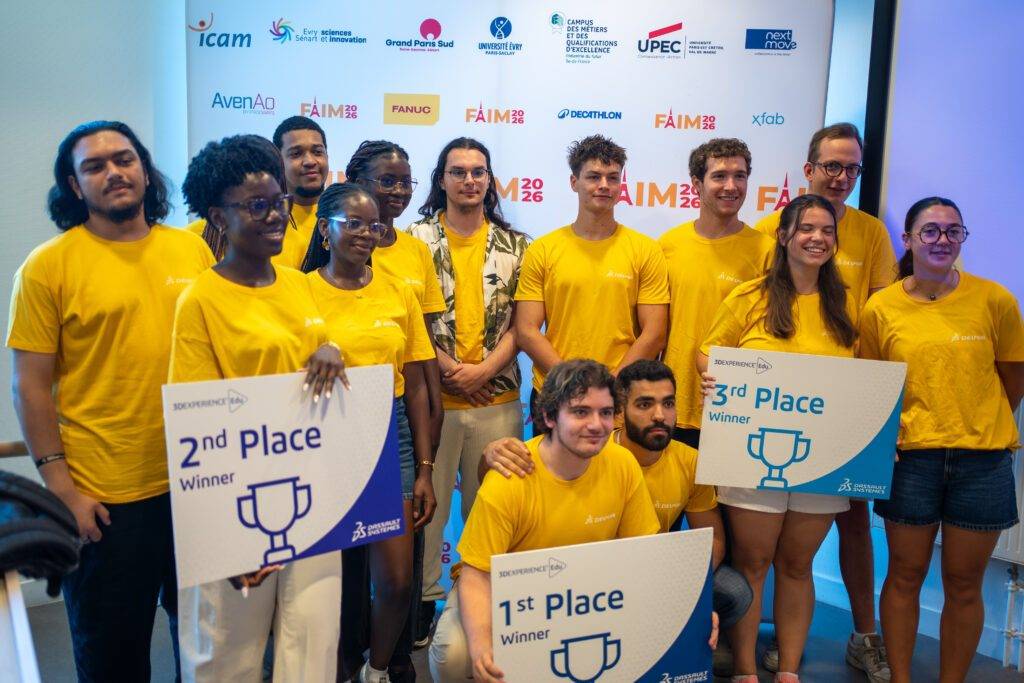
🔬 Alongside the conference, the Dassault “Design Your Factory” challenge engaged 14 fourth-year students (including one from Paris-Saclay), working in teams of four to five. Starting from a set of product specifications in the aerospace sector, each team had to improve its production process, organise its workflows, set up its factory and develop a digital twin to virtually manufacture as many products as possible within two days. All teams started from the same requirements — the challenge was to find the best way to organise and meet customer demand.
Greater Visibility for Icam and Wide-Reaching Impact
FAIM 2026 was a resounding success, despite the intense heat. Beyond the organisational achievement, praised by all — including the conference’s founding members — the event opens up concrete opportunities.
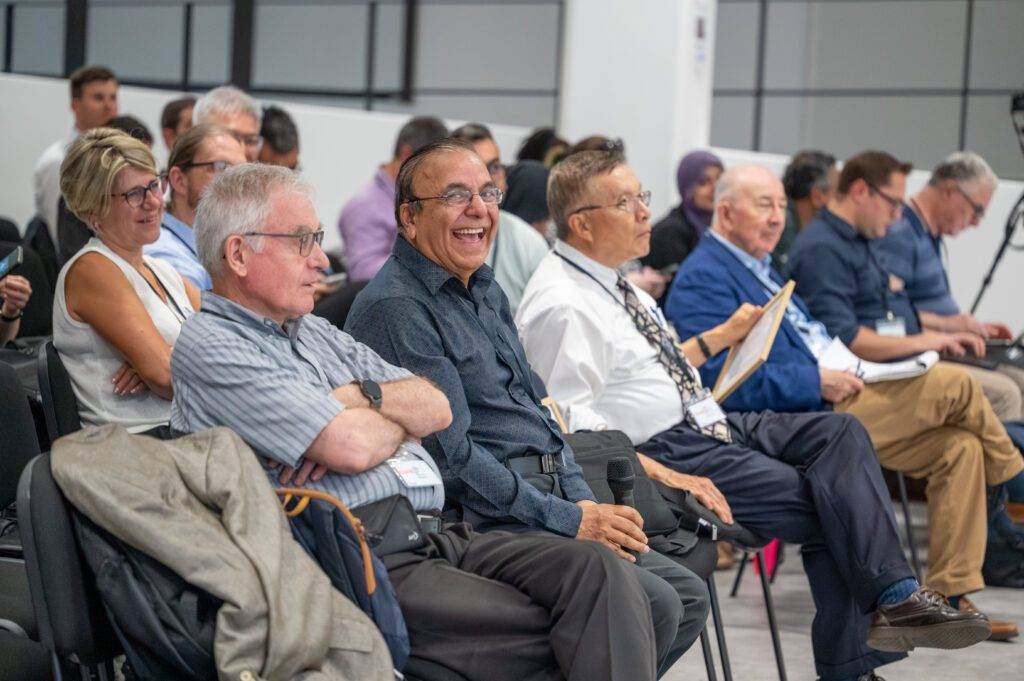
The founders of FAIM
“We connected the conference to the French research community,” notes Paul-Éric Dossou. The benefits are wide-ranging: stronger academic visibility, and prospects for research collaborations, consortiums and student mobility. On the corporate side, several partners met during the company visits expressed strong interest in collaborative projects linked to the Grand Paris Sud LIFE platform, focused on quality control through artificial intelligence and industrial vision.
🚀 “It’s also a wonderful way to showcase Icam on a very large scale. Having organised this conference strengthens our visibility and reputation, and gives us credibility, both academically and with businesses,” adds Paul-Éric Dossou.
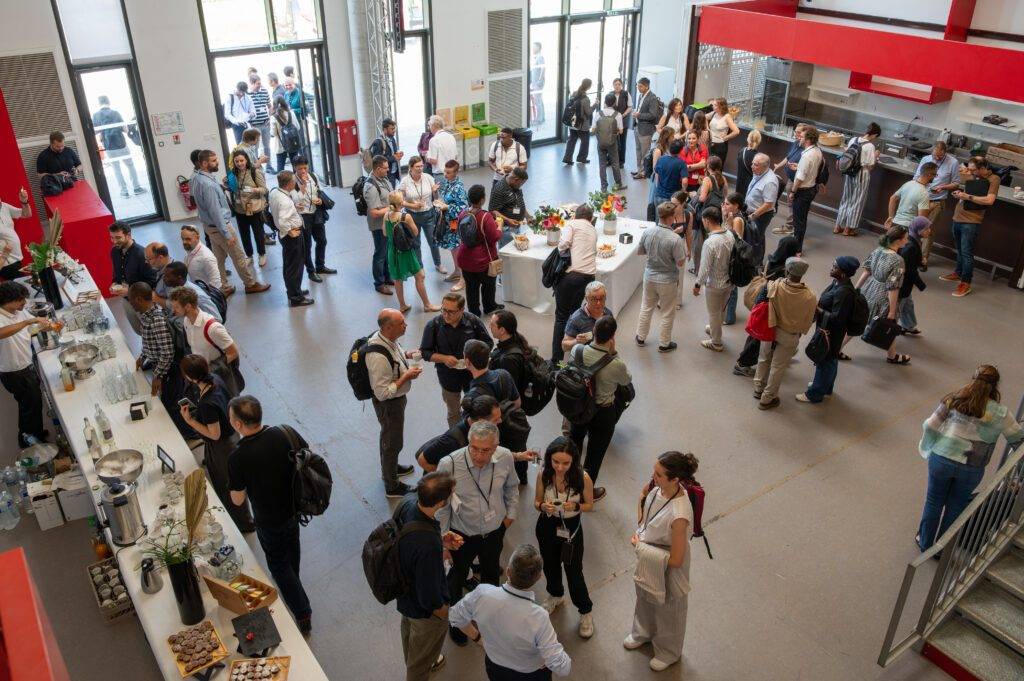
And then there’s everything that can’t be measured: the cultural moments and informal exchanges that built connections between researchers and industry professionals — moments many cited as standout memories from the week.
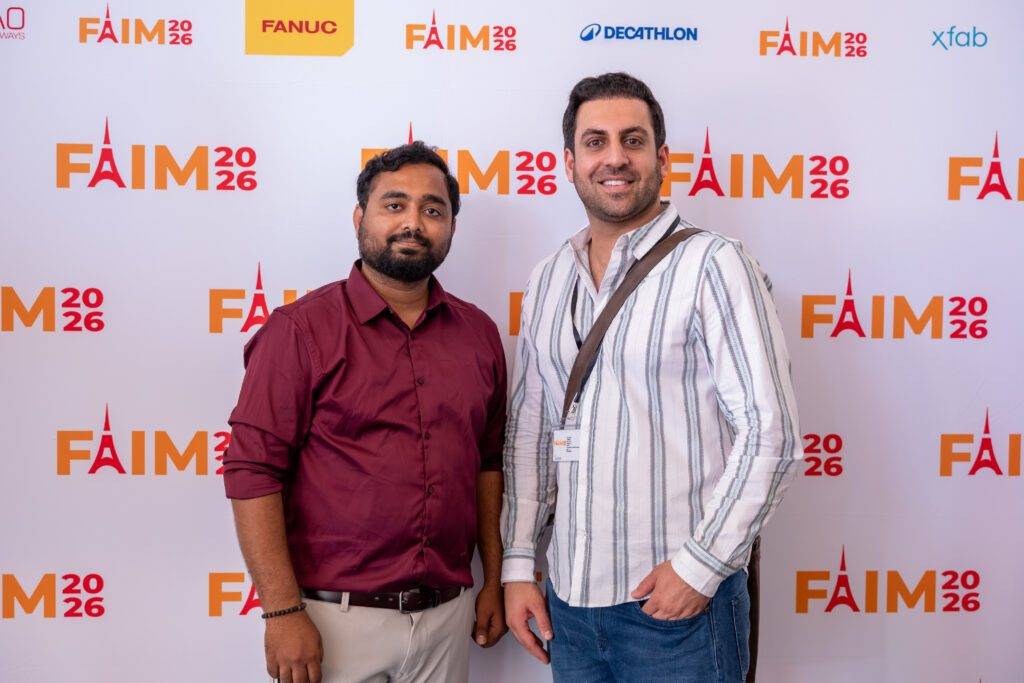
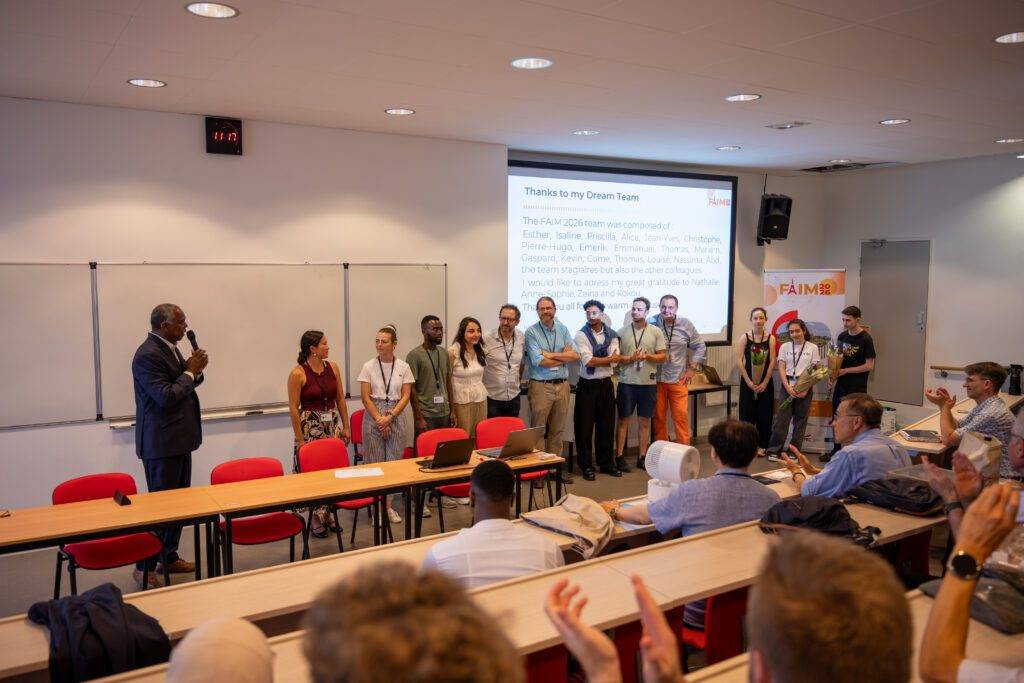
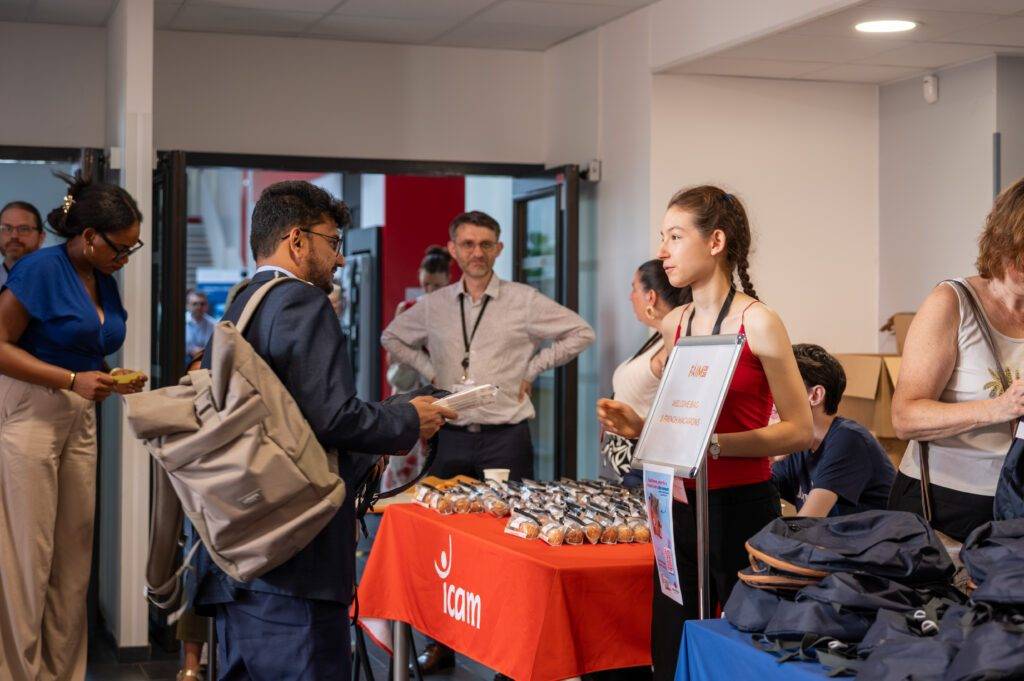
Such an event would not have been possible without the dedication of many volunteers, staff, students and interns, who worked tirelessly to support participants! A special thank you to the students on the communications team: Kevin Niflore, Thomas Vallette and Côme Porcher.
👏 Warm congratulations to Icam’s operational team, supported by the steering committee bringing together Icam and its partners, who worked tirelessly for nearly a year: Paul-Éric Dossou, Anne-Sophie Sivadier, Nathalie Drege, Zeina Elrawashdeh and Kokou Lissassi.