Écologie intégrale
13 Oct 2026
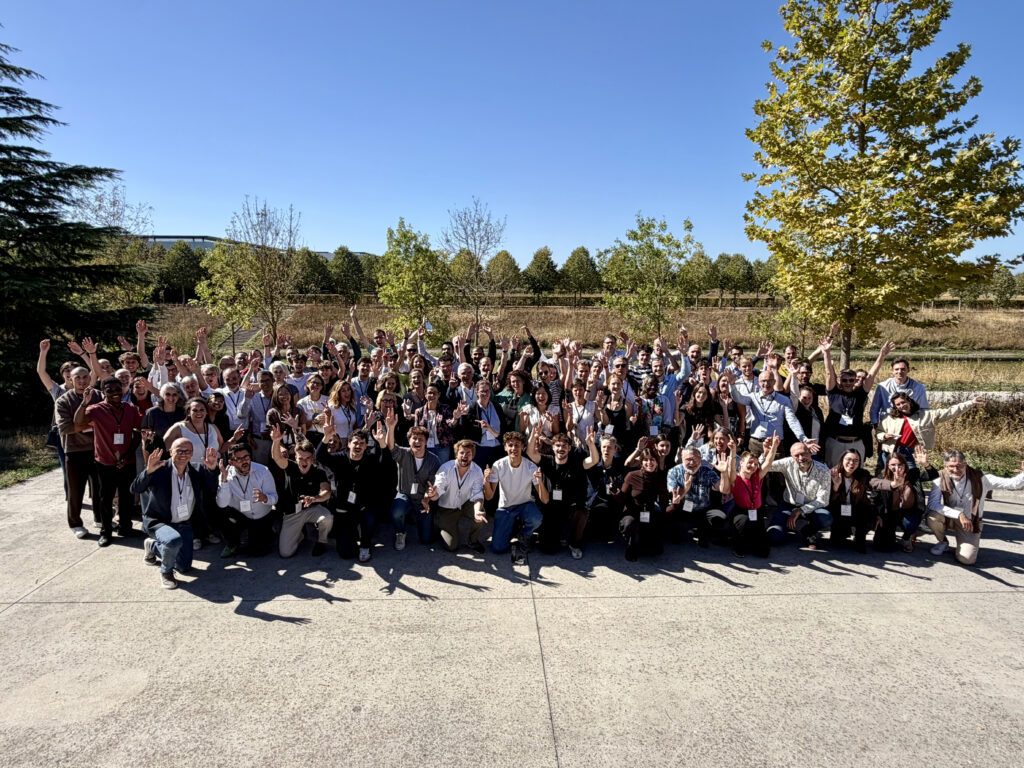
On 21, 22 and 23 September 2026, the OVIE convention (“Osons vraiment l’écologie intégrale”, or “Let’s truly dare integral ecology”) brought together Icam learners, board members and staff around a shared goal: to reflect on the changes needed in the face of planetary boundaries and the major shifts our world is undergoing, and to collectively build a roadmap to support the institution’s ecological and social transitions. Three days of discussion, reflection and collaborative work to move from awareness to collective commitment.
Understanding the changes ahead
How can we continue to train engineers able to meet tomorrow’s needs in a world facing growing environmental limits? How can we adapt our professions, our teaching and the way we operate to remain robust in the face of these changes? These questions guided the work of the OVIE convention.
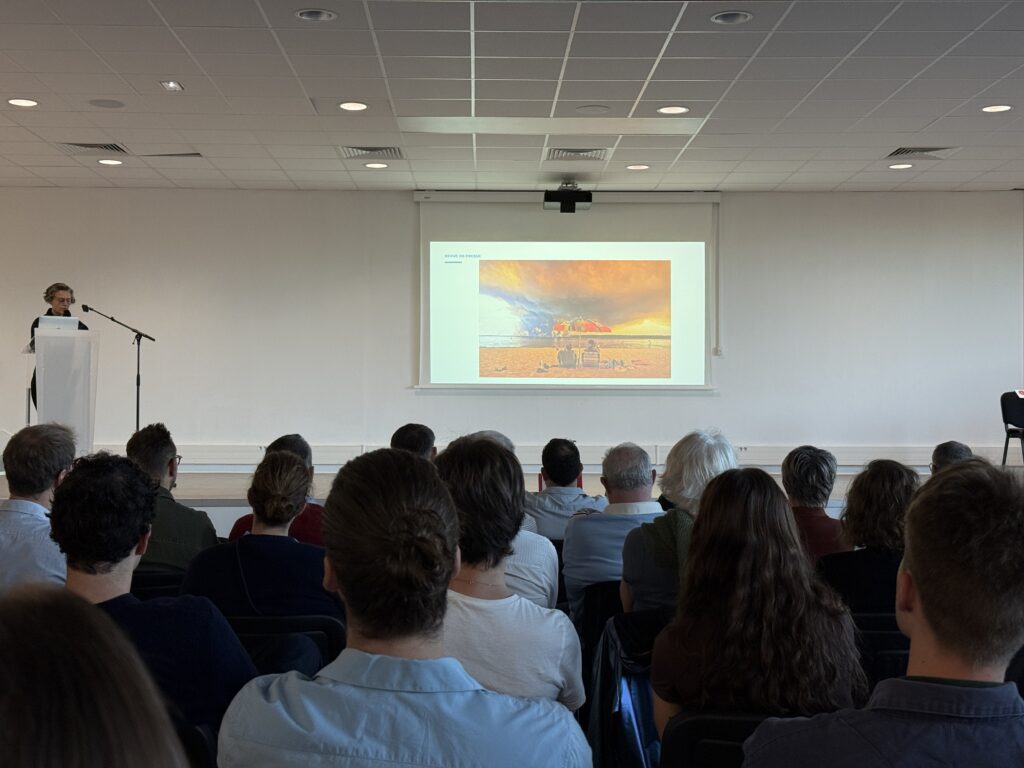
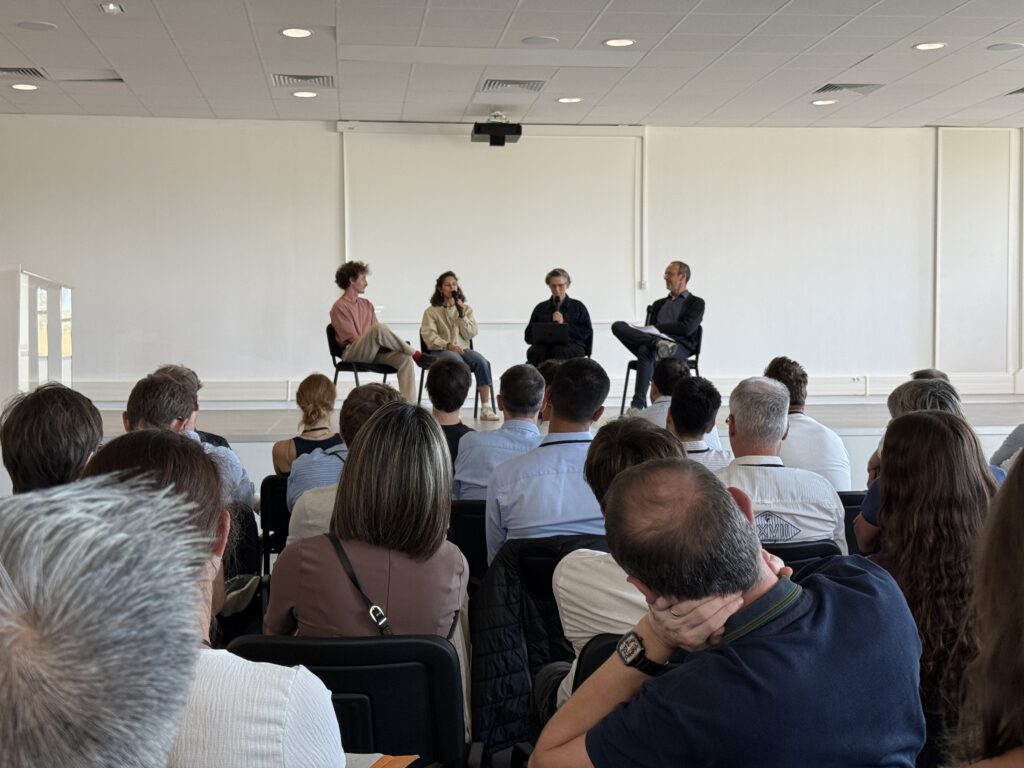
The first day was devoted to sharing findings and gaining a better understanding of how planetary boundaries affect Icam’s activities. Through talks, testimonies and workshops, participants explored the developments likely to have a lasting impact on our mission, our professions and our campuses.
Several major challenges were identified: the school’s attractiveness, its economic model, international mobility, the availability of teaching expertise on transition issues, and the resilience of buildings.
Beyond these findings, discussions highlighted the need to change professional and teaching practices. Training engineers for the transitions means developing a systemic approach, listening skills, humility, ethics and the ability to cooperate. Robustness and low-tech approaches are also key avenues for rethinking technical responses to tomorrow’s needs.
The challenge is therefore to move beyond a purely technical view of the transitions and integrate their human, social, economic and environmental dimensions.
Making integral ecology a collective project
The convention also underlined the importance of working together. Icam’s transformation cannot happen without the involvement of its campuses, its staff and its students.
This ambition is reflected in the OVIE approach, which invites everyone to contribute to a shared momentum, while taking into account the specific realities of each entity.
The workshops highlighted the value of increasing student and staff participation in decision-making, developing student associations, creating new teaching approaches and better integrating environmental and social issues into operational management.
This momentum rests on one conviction: transitions cannot simply be decreed through institutional guidelines. They are also built through everyday practices, spaces for dialogue, cooperation and collective decisions.
Six levers for action
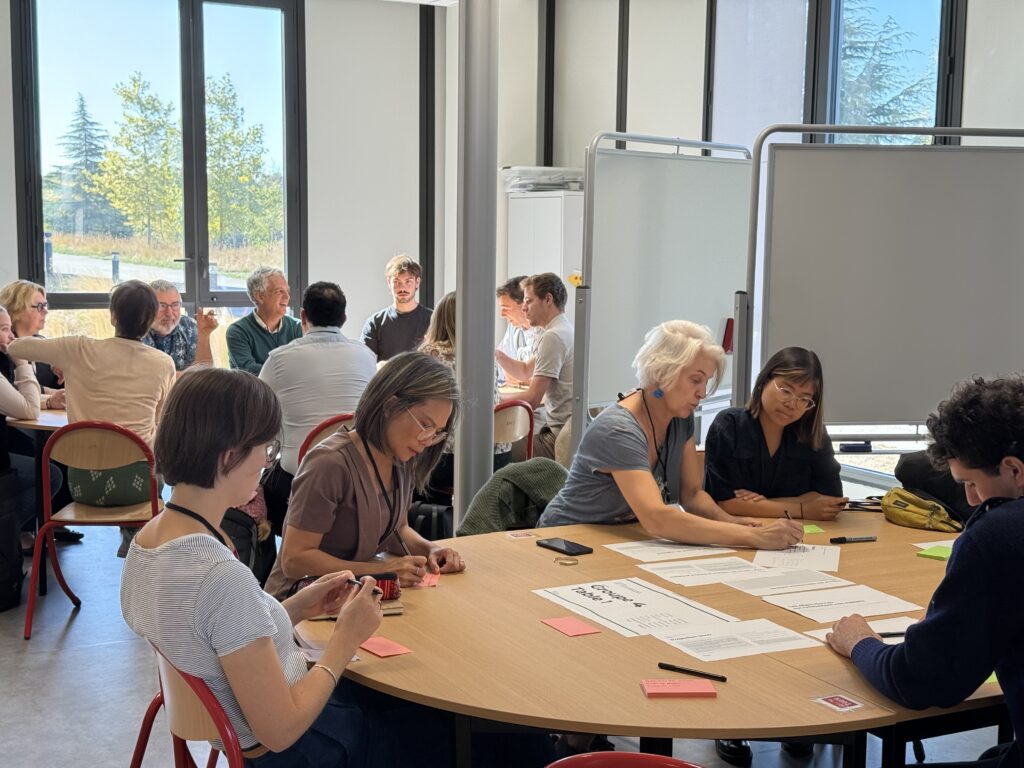
The second day focused on building a roadmap around six strategic levers defined at Icam level.
The first is to place living systems at the heart of education and fully embrace integral ecology. The second aims to develop a shared and regenerative organization that pays attention to everyone’s well-being and participation.
The third lever seeks to make campuses places where collective work can be tested, by encouraging cooperation and local partnerships. The fourth focuses on frugal, robust and responsible engineering, combining scientific excellence, ethics and a multidisciplinary approach.
The last two levers concern eco-compatible infrastructure and rethinking certain practices, particularly with regard to international mobility and carbon footprint.
These six priorities provide a common framework. It is now up to each campus to turn them into commitments suited to its own challenges and capacity for action.
Concrete and measurable commitments
One of the key lessons of the convention is the need to turn intentions into concrete action. To this end, participants were encouraged to focus on a few priority commitments, each with identified actions, owners and deadlines, rather than multiplying initiatives without proper follow-up.
This requirement addresses several concerns raised during the workshops: the risk of spreading efforts too thin, implementation timeframes, and the need to remain open to the unexpected, to change and to new opportunities.
The next phase will therefore be organized around OVIE groups set up in Icam’s different entities. Their mission will be to continue working on the six levers, clarify objectives, build action plans and define monitoring indicators.
The timeline includes several follow-up stages between autumn 2026 and spring 2027, before the approved roadmaps are presented in June 2027.
This approach complements that of the Convention des entreprises pour le climat (CEC, Business Convention for the Climate): the CEC is part of a national movement involving the academic world, while OVIE mobilizes Icam’s different entities around their own commitments.
Daring, experimenting and moving forward together
Beyond the workshops and roadmaps, the OVIE convention marks a milestone in the way Icam approaches the transitions. It encourages everyone to question habits, change practices, strengthen the institution’s ability to respond to a changing world, place these issues at the heart of everyone’s role, and build the way forward together.
It is also a reminder that this transformation does not require everyone to be an expert on every subject, nor for all the answers to be available from the outset. Above all, it calls for a shared understanding of the challenges, a willingness to cooperate and the ability to commit to concrete action.
Truly daring integral ecology therefore means making the transition a collective project, rooted in the realities of each campus and driven by commitments that are followed through over time. It is a momentum to sustain in order to build an Icam that is ever more in step with the changes in our world, and fully committed to training the engineers of tomorrow.